Sanibel Island sits at a geographic sweet spot — oriented east to west rather than north to south, its shoreline acts as a natural trap for shells carried in by Gulf currents. The result is one of the finest shelling beaches in the world, with mornings low tide revealing lightning whelks, junonia, and horse conchs in concentrations that stop walkers mid-stride. The phenomenon even has a name — the Sanibel Stoop — for the characteristic bend of beachcombers working the wrack line.
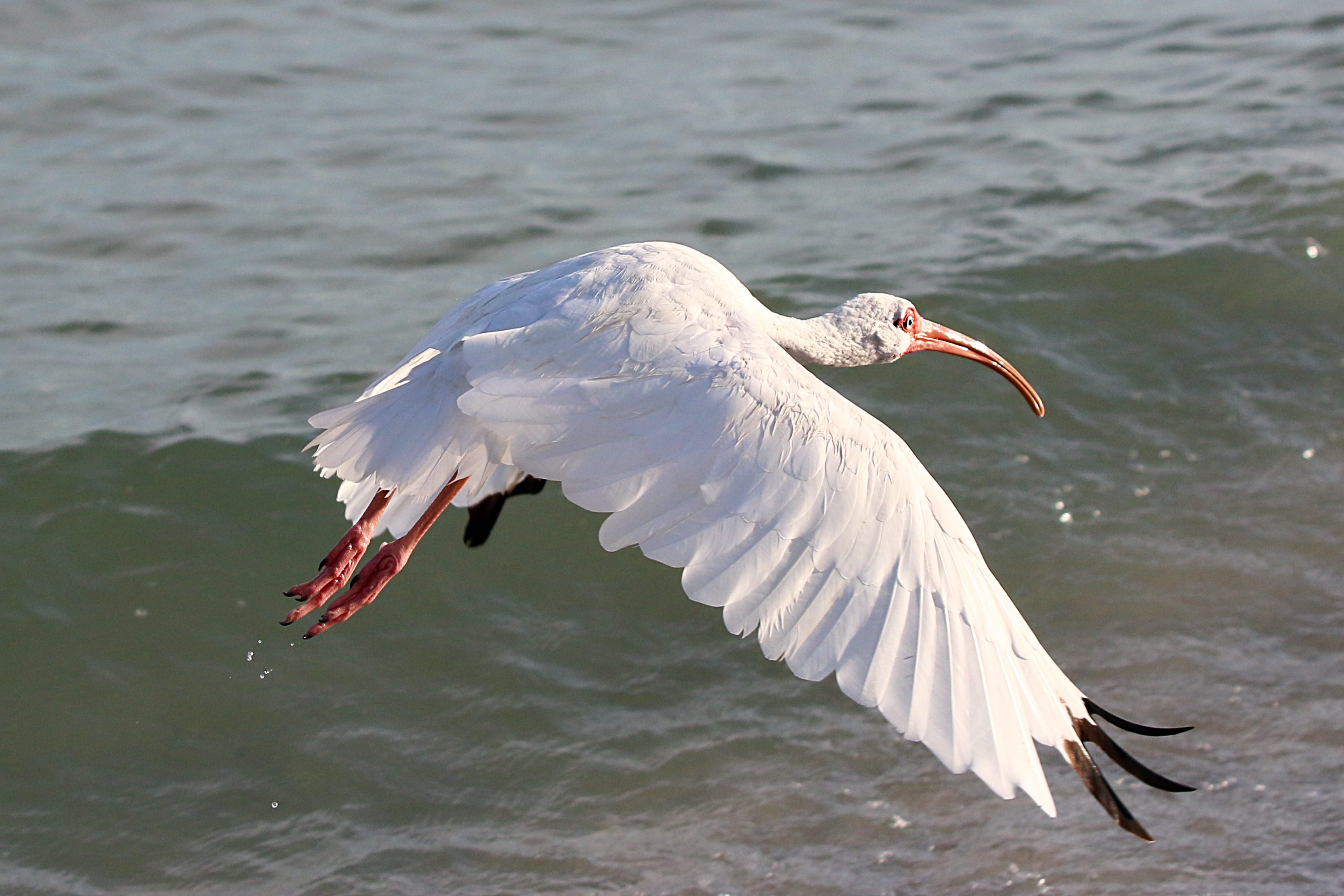
Away from the beach, the J.N. Ding Darling National Wildlife Refuge covers nearly half the island and delivers a completely different Sanibel. Summer mornings in the refuge are alive with roseate spoonbills working the shallow impoundments alongside tricolored herons, snowy egrets, and anhingas drying their wings in the mangroves. American alligators move through the same tidal flats without ceremony, a reminder that this is a functioning subtropical ecosystem, not a managed garden.
Sanibel rewards slow travel. The wildlife here doesn't hide.