The Chesapeake Bay is the largest estuary in North America — a vast, shallow inland sea where freshwater rivers meet the Atlantic, creating one of the most productive and biologically diverse ecosystems on earth. Spanning nearly 200 miles from Virginia to the Susquehanna headwaters, the Bay supports an extraordinary web of life that shifts dramatically with the seasons.
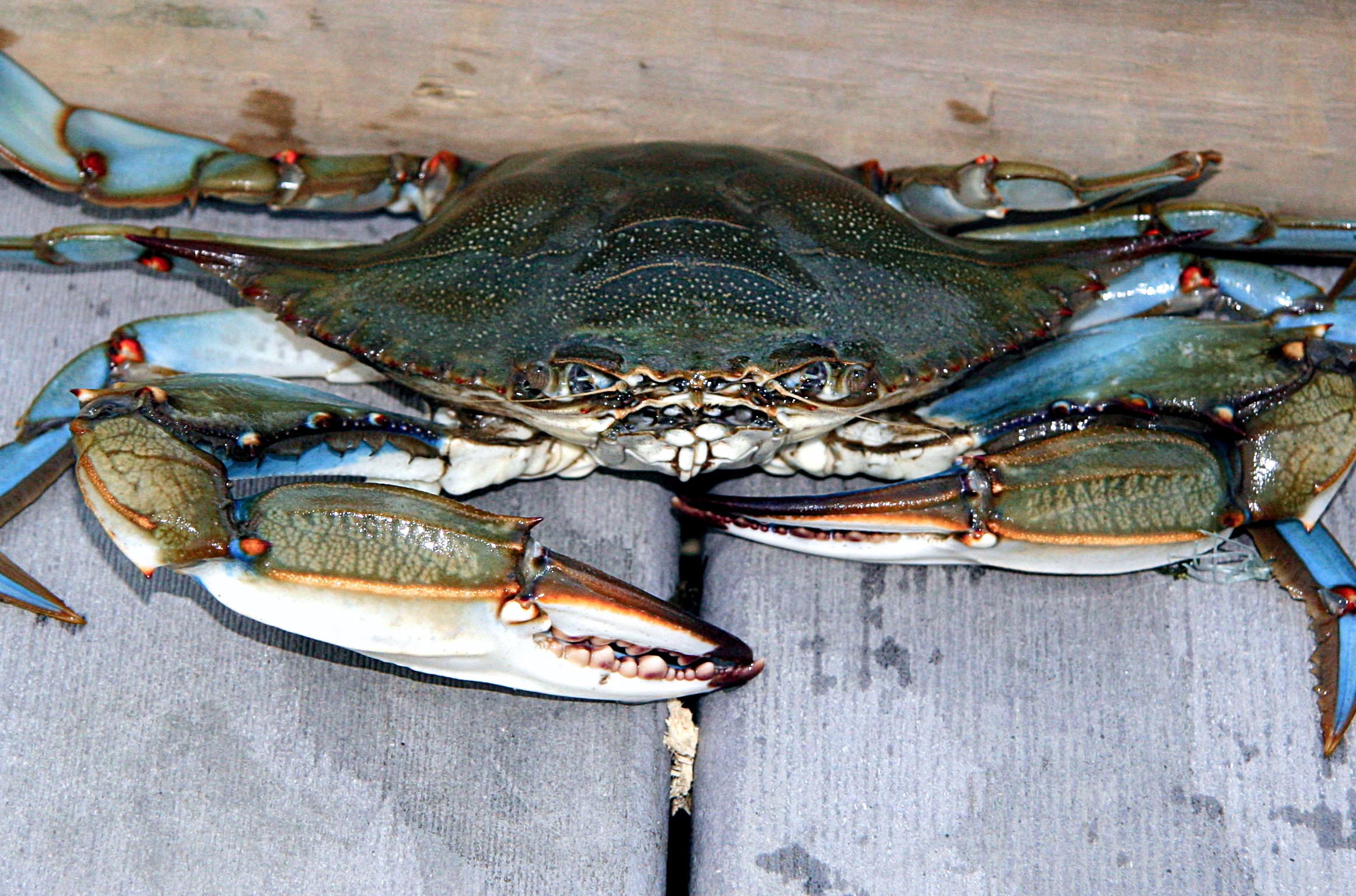
Spring arrives with the osprey. After wintering in South America, these fish hawks return to the same nesting platforms year after year, their piercing calls announcing the season. By April, blue crabs emerge from their winter dormancy in the deep channel mud, beginning their annual movement into warmer shallows to feed and molt through summer.
As summer closes, Canada geese begin arriving from the north — first in small advance flocks, then in waves — settling into the Bay's cornfields and coves for winter. The osprey quietly disappear south, and the crabs return to the depths, completing a cycle as old as the estuary itself.